Now Reading: ✊🏾🇻🇪 Afrovenezolano History Lesson 📖
-
01
✊🏾🇻🇪 Afrovenezolano History Lesson 📖
✊🏾🇻🇪 Afrovenezolano History Lesson 📖
✊🏾🇻🇪 Afrovenezolano History Lesson 📖

Between 1577-1810 about half a million Africans were brought to 🇻🇪.
Forced labor was used mainly for:
🖋 In 16th century: Gold, Silver, Copper mining, Pearl harboring ⠀
🖋 In 17th century: Indigo, Sugar, Cacao Plantations⠀ ⠀
By 1750 there was approximately 500k cacao trees tended by 35k enslaved Africans.⠀ ⠀
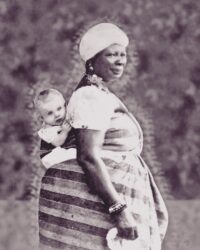
Women were also expected to do domestic work, assist in hospitals, serve as wetnurses, & were often referred to as ‘Mamá Negra’.⠀ ⠀
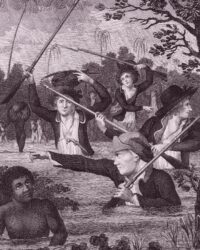
Ultimately the demand for cacao from 🇪🇸 fueled slavery in 🇻🇪 & by the end of the 1700s the population was 👉🏽 280k Indigenous, 30k White, 30k Black, 20k Mestizos & 10k Mulatos. ⠀ ⠀ Runaways were referred to as ‘Cimarrones’, the same word used to describe wild livestock or livestock that had escaped, & runaway communities called cumbes or rochelas.
⠀ ⠀
Notable Afrovenezolanos 🇻🇪 include: ⠀ ⠀
✊🏾 Miguel de Buría, a former enslaved African turned King, led the first insurrection against the Spanish in 1552 ⠀
✊🏾 José Leonardo Chirinos, led a famous rebellion against slavery in the 1750s⠀
✊🏾 Hipólita Bolivar, ‘La Negro Hipólita’ caregiver of Simón Bolívar⠀
✊🏾Juana Ramírez “Juana la Avanzadora”, soldier & heroine of the War of Independence⠀ ⠀
Unlike other countries by the late 1700s the demand of slavery declined & the last group of Africans arrived before the 18th century. ⠀ ⠀
Despite persistence by political leader Simón Bolívar, slavery was not abolished along w/ 🇻🇪s independence in 1811 but 40yrs later in 1854. ⠀ ⠀
Today May 10th is recognized as el Día de la Afrovenezolanidad which recognizes the fight for freedom & commemorates the famous rebellion led by Afrovenezolano José Leonardo Chirinos.