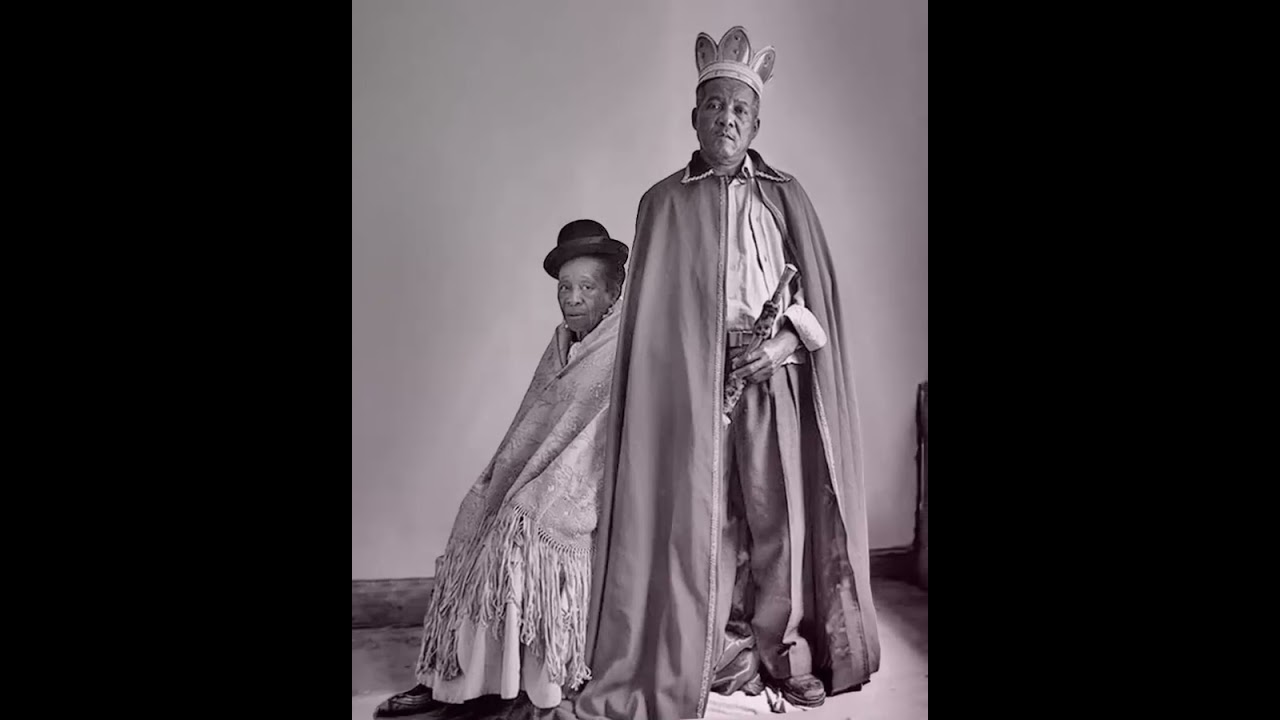
✊🏾🇬🇹 Afro-Guatemalan Garífuna History Lesson 📖
🇬🇹 is home to over 6,000 Africans known as the Garífuna.⠀ ⠀
The Garífuna people are of African descent whose ancestry is a mixture of Carib and Arawak indians who trace their roots back to the Caribbean island of St. Vincent.⠀
⠀
In 1635 a African slave ship hailing from Nigeria shipwrecked near the island of St. Vincent.
The Africans who survived came ashore to seek refuge on the island and with time coupled with the indigenous creating the culture known as Garífuna.⠀ ⠀
Led by their chief, Joseph Chatoyer also known as Satuye, the Garífuna resisted British colonization. In 1795 they were unfortunately defeated and Chief, Satuye, killed. Fearing a retaliation the British exiled the Garífuna to the island of Roatán (what is now Honduras) where only half survived the voyage. ⠀ ⠀
Years later with the arrival of Spain the Garífuna were once again pushed out further to the coast of Honduras and into parts of Belize. By the early 1800s the population left Belize and settled in the town of Livingston in 🇬🇹.⠀ ⠀
Because the Garífuna managed to avoid captivity and slavery they’ve kept a direct line to their original Afro-Caribbean heritage.⠀ ⠀
Today, Garífuna culture is still heavily influenced by its Carib and African ancestry in the music, language (Arawak), food, religion, dance and in 🇬🇹 further influenced with Q’eqchi’ Maya.⠀ ⠀
Today Livingston is home to the largest population of Guatemala’s Garífuna people. Additionally communities can be found in Izabal, Amatitlán, San Jerónimo, and Jutiapa. Including outside of 🇬🇹 in Belize, Honduras and Nicaragua. ⠀
🇬🇹 celebrates Garífuna culture on November 26th in commemoration of Garífuna Settlement Day and on July 25th el Día Nacional de la Mujer Garífuna.