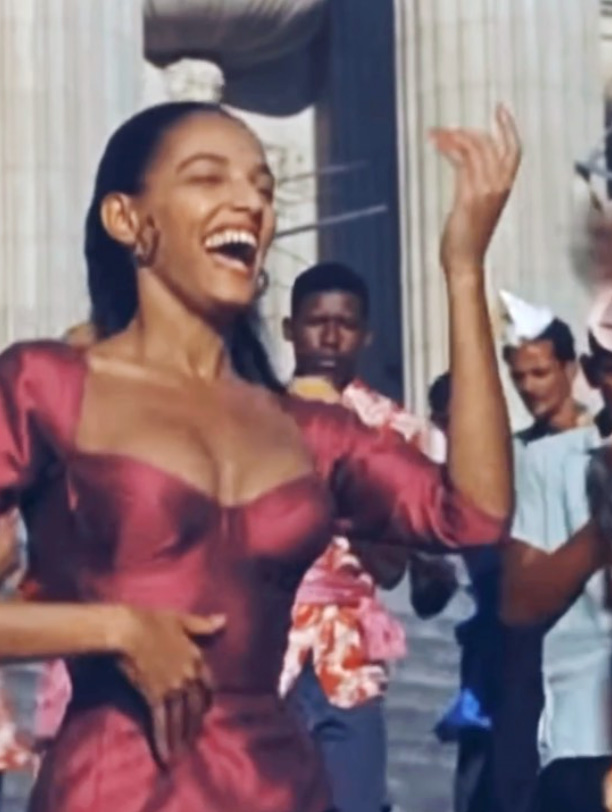
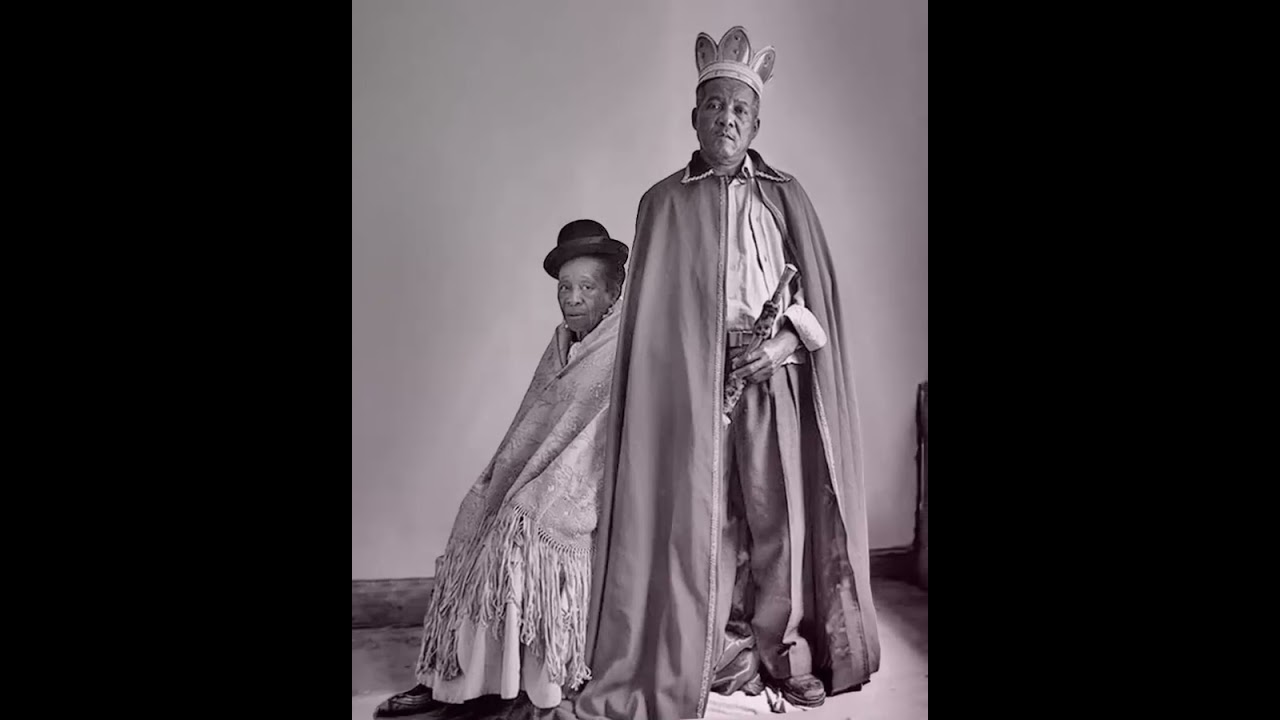
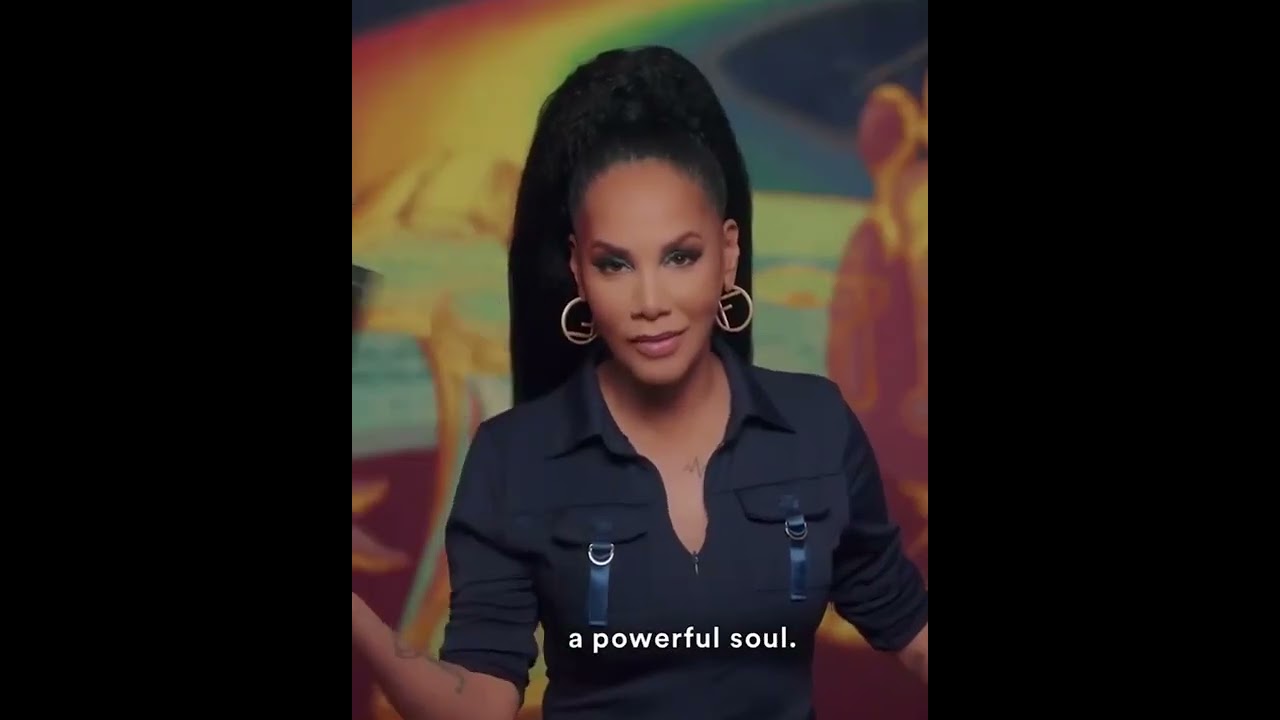
✊🏾🇨🇴 Afro-Colombian History Lesson 📖⠀ ⠀ “Cuando vine a 𝙋𝙖𝙡𝙚𝙣𝙦𝙪𝙞𝙩𝙤 yo vi la vida en un hoyo⠀ Me dediqué con mis hijos a sacar arena del arroyo⠀ Oye mi chale, la vida vale la pena⠀ Coge la pala en la mano, vamos a sacar la arena⠀ En el barrio 𝙋𝙖𝙡𝙚𝙣𝙦𝙪𝙞𝙩𝙤, todos somos compañeros.”⠀ ⠀ 𝐋𝐚 𝐕𝐢𝐝𝐚 𝐕𝐚𝐥𝐞 𝐥𝐚 𝐏𝐞𝐧𝐚 🎶 by La Reina del Bullerengue, Petrona Martínez.⠀ ⠀ The village of Palenque or “walled city” as mentioned in the song above, was founded in the 16th Century when Benkos Biohó, a former African king escaped Cartagena’s slave trade and settled in the area with 35 others.⠀ ⠀ 〰️〰️〰️〰️〰️〰️〰️〰️〰️⠀ ⠀ Colombia is one of the biggest African diasporas in the world. It is noted that Spain brought over 1 million Africans, making the port of Cartagena one of the biggest slave markets in South America.⠀ ⠀ Africans were brought from Congo, Angola, Sierra Leone, Senegal, Malí, Ghana, Côte d’Ivoire, Guinea and more to replace the declining indigenous tribes.⠀ ⠀ Forced labor included cattle ranching, emerald/gold escavation, cotton/sugarcane plantations, and domestic work.⠀ ⠀ Upon arrival African tribes were dispersed so that no two people from the same region were together.⠀ ⠀ To communicate with one another African tribes used drums, beating messages across groups including to alert runaways of approaching danger. ⠀ ⠀ Unbeknownst to the Spanish, African women braided maps and escape routes into hair and hid gold, emerald and seeds under their turbans.⠀ ⠀ Those who managed to escape found refuge in established free communities known as ‘Palenques’ like San Basilio de Palenque. Here they developed their own language ‘Palenquero’ influenced by the Kikongo language of Congo, Angola, and Portuguese.⠀ ⠀ It was not until May 21st in 1851 that slavery was officially abolished in 🇨🇴.⠀ ⠀ Today, Día de la Afrocolombianidad is celebrated annually on May 21 to commemorate the abolishment of slavery AND the first free African settlement in the Americas, Palenque de San Basilio.