Now Reading: ✊🏾🇧🇴 Afro-Bolivian History Lesson 📖
-
01
✊🏾🇧🇴 Afro-Bolivian History Lesson 📖
✊🏾🇧🇴 Afro-Bolivian History Lesson 📖
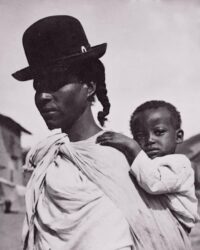
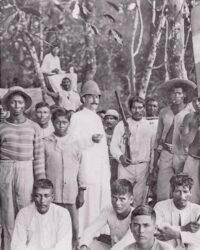
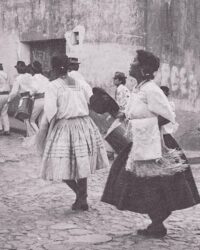
✊🏾🇧🇴 Afro-Bolivian History Lesson 📖 ⠀⠀ ⠀
”La negra estará en el cafetal ⠀
Bailando La Saya que buena que está⠀
Bailando La Saya⠀
Y con los negros me voy a bailar⠀
Y con los negros me voy a gozar.”⠀ ⠀
Song: 🎵Sayanta – Bailando La Saya. La Saya is a traditional dance by Afrodescendientes of Bolivia. ⠀

In 🇧🇴, September is recognized as the official month of Afro-Bolivian culture. The 23rd as el Día Nacional del Pueblo y la Cultura Afroboliviana.
With the demand for silver mining by the Spaniards, slavery was introduced to 🇧🇴 in the early 1500s.⠀
Many enslaved Africans brought to 🇧🇴 originated from Congo, Angola, Senegal, Mozambique, Ivory Coast, and Ghana. ⠀
⠀
By 1611 more than 6,000 Africans worked the silver mines of Cerro Rico in Potosí. Due to the intensity of the work, high altitudes, and toxic fumes most survived only a few months. La Casa de Moneda know to be where most Spanish coins were made and later shipped exploited both African and Indigenous people.⠀
⠀
Additionally, some were also forced to work coca-leaf plantations in areas of Tocaña/Las Yungas, where much of the coca of the country is grown.⠀ ⠀
By the end of the 1800s Bolivia took steps to abolish slavery. In 1845 Bolivia made slave trade an act of piracy.⠀ ⠀
Today the biggest Afro-Bolivian communities lie near Coroico in Tocaña, Chijchipa, and Mururata. African traditions live on in music and dance like Saya, Mauchi (funeral dance), and Semba (fertility dance).⠀ ⠀
It was not until 2007 that Bolivia recognized Afrobolivianos as an ethnic minority group. ⏭ to 2010 the Law Against Racism and Any Form of Discrimination was added to the Bolivian constitution.⠀ ⠀ By 2012 a census recorded more than 23,000 Afrobolivianos living across 🇧🇴.