
Now Reading: ✊🏾🇵🇦 Afro-Panamanian | Afrodarienita History Lesson 📖
-
01
✊🏾🇵🇦 Afro-Panamanian | Afrodarienita History Lesson 📖
✊🏾🇵🇦 Afro-Panamanian | Afrodarienita History Lesson 📖
✊🏾🇵🇦 Afro-Panamanian | Afrodarienita History Lesson 📖 ⠀ ⠀

Spanish Conquistadors discovered and conquered Castilla de Oro which included the Panama between 1502 & 1519 bringing with them the demand of forced labor. ⠀ ⠀
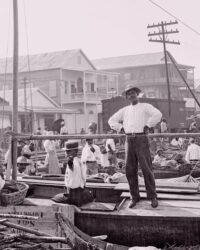
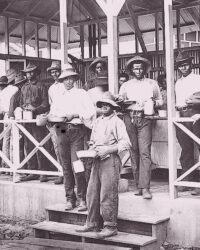
Afro-Panamanian populations can be divided into 2 groups: “Afro-Colonials”, Africans forcibly brought to 🇵🇦 during the colonial period to work the minas de cana, banana plantations, and big-leaf mahogany logging, & “Afro-Antilleans” West Indians who were brought in to build the Panama Canal.⠀ ⠀
For this section we’ll focus on women:⠀ ⠀
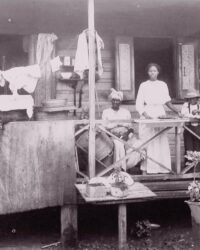
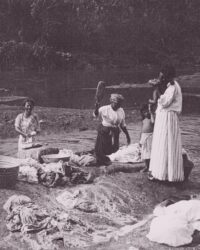
Upon arrival African women were nude or partially clothed and given old dresses to wear. Those who worked inside and tended to babies known as “Nanas de Leche” (more on this below) wore white, & those working outside dressed in color or floral patterns and referred to as “Señoras de Afuera”.⠀ ⠀ Hair turbans were also worn to *get this*… prevent hair from scratching a white baby’s skin, or fall into food when cooking or cleaning. Thus the turban becoming a symbol of oppression.⠀ ⠀ *Pregnancy was also forced upon African women to produce/provide milk for babies of their enslavers*⠀ ⠀
Traditional Dress 📝s:⠀ ⠀
African women often wore Polleras (traditional dress of 🇵🇦) bearing flowers or in the colors red, green, yellow or orange which connected them to spirituality and nature.⠀ ⠀
Tembleques, (traditional/elaborate headpiece) made by African women were created using natural materials like shells, wood, 🌸’s including seeds, beans and maíz that they would later use to grow 🌱 once liberated.⠀ ⠀
Slavery in 🇵🇦 was abolished in 1852 and many Africans as well as natives found sanctuary in Palenque de Darién. Darién became one of the first liberated communities were African tradition flourished.⠀ ⠀
Dances like el Tamborito, Bullerengue, Bunde, & Cumbia are still practiced in the area.⠀ ⠀
African influence can also be found across 🇵🇦’s culinary like torrijas de bacalao, and in music w/ tambores.⠀ ⠀
Today el Día de la Etnia Negra is celebrated annually on May 30, commemorating the date King Ferdinand VII of Spain annulled the slave trade in the territory.⠀ ⠀
📸 getty.edu⠀ 📖 Caraballo Gómez