
Now Reading: ✊🏾🇵🇪 AfroPeruano History Lesson 📖
-
01
✊🏾🇵🇪 AfroPeruano History Lesson 📖
✊🏾🇵🇪 AfroPeruano History Lesson 📖
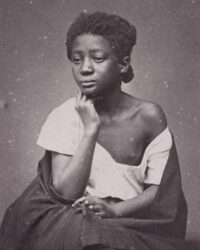
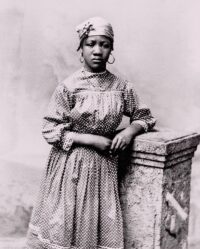
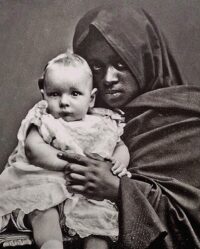
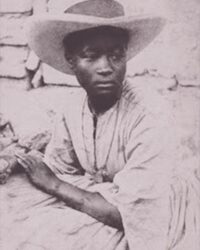
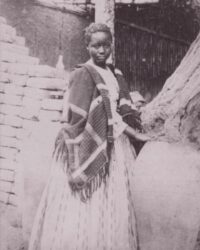
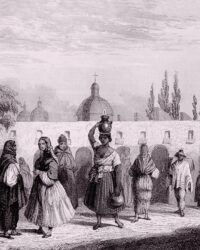
✊🏾🇵🇪 AfroPeruano History Lesson 📖 María No Tiene Tiempo⠀ De alzar los ojos⠀ Rotos de sueño⠀ De andar sufriendo,⠀ Sólo trabaja⠀ y su trabajo es ajeno🎵⠀ ⠀ María Landó by Susana Baca is a ballad produced for 𝙏𝙝𝙚 𝙎𝙤𝙪𝙡 𝙤𝙛 𝘽𝙡𝙖𝙘𝙠 𝙋𝙚𝙧𝙪 that poetically recounts the daily suffering of a Black working woman.⠀ ⠀ One of the first accounts of enslaved African transport to Peru occurred in the 1500s with Spanish conquistador, Francisco Pizarro. Enslaved Africans were brought to build colonial 🇵🇪 and fight alongside conquistadors as soldiers, personal servants, and bodyguards.⠀ ⠀ In 1533 enslaved Africans accompanied Spaniards in the conquest of Cusco.⠀ ⠀ As the demand for forced labor increased the Port of Callao became the biggest point of landing for more than 100,000 African from 1500-1800s. From there were dispersed to Lima, Ica, Trujillo, and Chiclayo. Enslaved Africans were not only utilized for construction but also to tend to pisco vineyards (🇵🇪 national drink), cotton plantations, and for domestic work in haciendas (few surviving beyond the age of 35). Additionally, enslaved Africans w/ skilled trades in carpentry, tailoring, or mining were considered highly valuable and received “better” treatment than those less skilled. In 1821 José de San Martin – referred to as the ‘liberator’ of Peru from Spanish colony, enacted a free-womb law that liberated children born of enslaved African parents after 1821 and over the age of 21 (later adjusted to 50). That same year he issued a decree prohibiting slave trade.⠀ ⠀ By 1851 most slavery was eradicated w/ Simon Bolivar and the independence of Peru.⠀ ⠀ However, it wasn’t until 1854 and in the middle of civil war that Gen. Ramón Castilla y Marquesado brought slavery officially to an end. (although illegal slavery continued until the early 1900s)⠀ ⠀ In 2009 Peru 🇵🇪 apologized for the FIRST TIME PUBLICLY to its citizens of African origin for centuries of “abuse, exclusion, and discrimination”.